
Understanding Commercial Scaffolding Essentials
As the construction industry evolves, the demand for reliable and safe commercial scaffolding solutions continues to grow. Commercial scaffolding is crucial for a wide range of projects, from building renovations to large-scale industrial developments. This article delves into the essential aspects of commercial scaffolding, highlighting its features, benefits, and various types of scaffolding solutions available in the market. Moreover, we will discuss project planning, best practices for erection and dismantling, innovative trends, and case studies that illustrate successful commercial scaffolding applications. When exploring options, commercial scaffolding serves as a cornerstone for planning efficient and effective construction projects.
What Is Commercial Scaffolding?
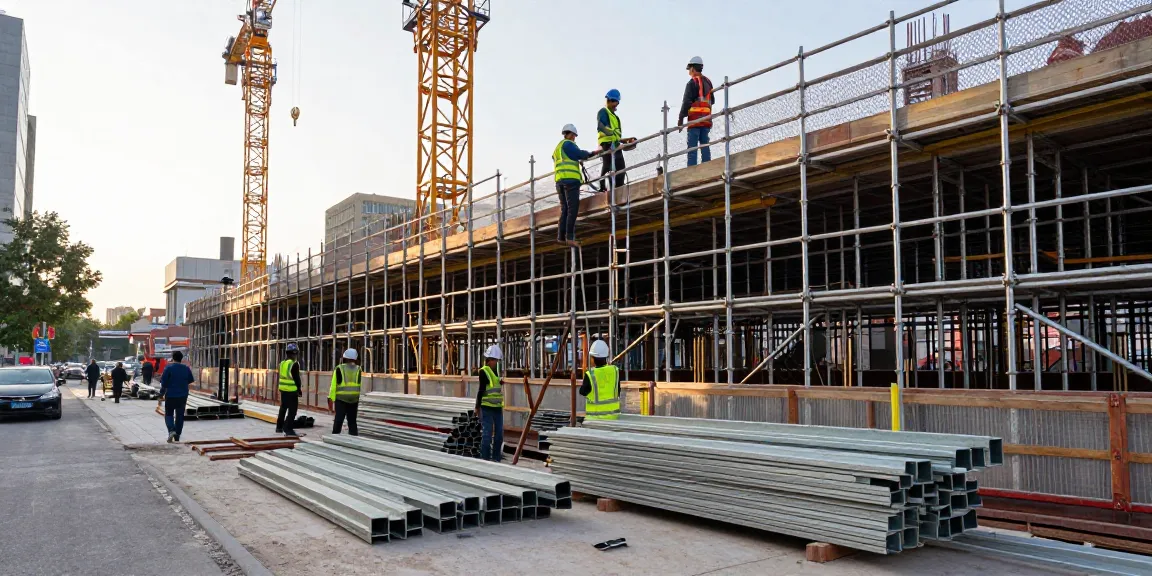
Commercial scaffolding refers to temporary structures designed to support construction workers and materials during diverse commercial projects. This type of scaffolding is vital in providing safe access to hard-to-reach areas, thereby facilitating repairs, maintenance, and new constructions. It is often more robust than residential scaffolding due to the higher loads and dynamic environments common in commercial projects.
Key Features and Benefits of Commercial Scaffolding
Understanding the key features and benefits of commercial scaffolding can help stakeholders make informed decisions. Here are some notable aspects:
- Safety: Commercial scaffolding incorporates safety features such as guardrails and non-slip surfaces, ensuring that workers can conduct their tasks safely at height.
- Versatility: It can be adapted for various needs, including facade work, roofing projects, and large-scale industrial applications.
- Durability: Constructed from high-quality materials, commercial scaffolding withstands the rigors of construction activities.
- Cost-Effective: By providing efficient access to all areas of a site, scaffolding reduces the time and costs associated with construction delays.
Types of Commercial Scaffolding Solutions
There are several types of scaffolding solutions tailored to meet the diverse needs of commercial building projects:
- Tube and Clamp Scaffolding: This system uses steel tubes and clamps, allowing for flexibility in design and configuration.
- System Scaffolding: Prefabricated scaffolding systems offer quick assembly and disassembly, making them suitable for fast-paced projects.
- Mobile Scaffolding: Ideal for maintenance work, these scaffolding units can be easily moved around the job site.
- Suspended Scaffolding: Utilized in high-rise buildings, this type hangs from a roof or beam, allowing workers to access upper levels safely.
Planning Your Scaffolding Project
Effective planning is crucial for the successful execution of a scaffolding project. A well-organized approach leads to enhanced safety, reduced costs, and improved timelines. Here are the key steps to consider when planning your scaffolding project.
Assessing Project Needs and Scope
Before embarking on a scaffolding project, stakeholders must assess the project needs comprehensively. This involves evaluating the building structure, determining the height and extent of the works, and understanding the specific requirements for access and safety. Engaging with scaffold professionals early in the process can provide valuable insights and recommendations.
Obtaining Necessary Scaffolding Permits
Compliance with local regulations is paramount when planning scaffolding projects. It is essential to obtain the necessary scaffolding permits from local councils or authorities. These permits ensure that all safety standards and zoning laws are adhered to, protecting both workers and the public.
Creating a Safe Work Environment
Establishing a safe work environment involves a thorough risk assessment and the implementation of safety protocols. Providing safety training for workers, maintaining clear communication, and adhering to safety standards, such as those outlined by the Health and Safety Executive (HSE), are essential components for fostering a secure workplace.
Scaffolding Erection and Dismantling Best Practices
Proper practices during the erection and dismantling of scaffolding are critical for ensuring safety and efficiency. Here we outline essential best practices that should be followed during these processes.
Step-by-Step Erection Process
The erection of scaffolding should follow a structured process, which typically includes:
- Site Preparation: Ensure that the ground is level and stable, and remove any obstacles that may interfere with the installation.
- Base Installation: Securely install the base plates on the ground to provide a solid foundation.
- Assembling Scaffolding Components: Follow manufacturer guidelines to assemble vertical posts, horizontal braces, and decking.
- Installing Safety Features: Add guardrails, toe boards, and other safety features before allowing workers to use the scaffolding.
Safety Measures During Dismantling
Dismantling scaffolding involves careful planning to avoid accidents. Follow these measures:
- Conduct a thorough inspection of the scaffolding before starting the dismantling process.
- Ensure that all workers are aware of the dismantling plan and potential hazards.
- Remove components in the reverse order of erection, ensuring stability and balance throughout the process.
Inspection and Maintenance Protocols
Regular inspections and maintenance are vital for ensuring the integrity of scaffolding systems. Adopt the following practices:
- Conduct daily inspections before work begins, focusing on any visible wear or damage.
- Implement a routine maintenance schedule to address repairs and replacements as needed.
- Utilize a system like the Scafftag to track inspections and ensure compliance with safety standards.
Innovative Trends in Commercial Scaffolding
The scaffolding industry is witnessing several innovative trends that are transforming service delivery and enhancing safety and efficiency. Here are some noteworthy developments:
Sustainable Materials and Construction Practices
As sustainability becomes a priority across industries, the scaffolding sector is also adopting eco-friendly materials and practices. More companies are using recycled materials for scaffolding components and adopting waste-reduction strategies during installation and dismantling processes.
Integration of Technology in Scaffolding Services
Advancements in technology, including 3D modeling and virtual reality, are playing an increasingly important role in scaffolding design and implementation. These technologies allow for precise planning and adjustments, leading to safer and more efficient construction processes.
Future of Safety Regulations and Compliance
As construction sites evolve, so too do safety regulations. Industry stakeholders must stay informed about upcoming changes in regulations to ensure compliance and maintain safe working environments. This includes potential updates to scaffold design standards and safety protocols.
Case Studies of Successful Commercial Scaffolding Projects
Reviewing successful scaffolding projects can provide valuable insights into best practices and effective solutions. Below are examples of notable projects that highlight the impact of quality scaffolding.
Renovation of Historical Buildings
During the renovation of the historic St. John’s Church in London, scaffolding was essential to access elevated architectural features while preserving the integrity of the building. Skilled teams implemented a custom scaffolding solution that ensured stability while allowing for detailed restoration work.
Large-Scale Industrial Projects
In a large-scale industrial project involving a power plant upgrade, scaffolding played a crucial role in maintaining safety and efficiency. A system scaffolding solution was deployed for both construction and maintenance tasks, facilitating access to various heights while adhering to strict safety protocols.
Community Infrastructure Improvements
During municipal infrastructure improvements in Essex, scaffolding was employed extensively to enhance pedestrian safety. Council scaffolding permits enabled the construction teams to install temporary walkways and maintain access for local businesses while restoration work was underway.
What Are the Benefits of Professional Scaffolding Services?
Engaging professional scaffolding services provides significant advantages, including:
- Expertise in complying with safety regulations and standards.
- Access to high-quality materials and equipment.
- Reduced risks associated with falls and other accidents.
- Efficient project delivery through skilled labor and planning.
How Do I Choose the Best Scaffolding Company?
Selecting a scaffolding company involves thorough research. Here are some factors to consider:
- Assess their experience and track record with similar projects.
- Check customer reviews and testimonials for reliability.
- Ensure they have the necessary certifications and insurance coverage.
- Request detailed quotes to understand pricing and service offerings.
What Safety Standards Should Be Followed?
Safety standards such as those outlined by the HSE must be strictly adhered to in scaffolding projects. Key aspects include:
- Regular training for workers on proper scaffolding use.
- Compliance with structural integrity assessments before use.
- Inspection protocols to ensure ongoing safety during projects.
What Is the Typical Timeline for Scaffolding Projects?
The timeline for scaffolding projects can vary based on several factors, including project size and complexity. However, a general timeframe can be outlined as follows:
- Planning and permitting: 1-2 weeks.
- Design and assembly: 1-3 weeks, depending on the structure.
- Ongoing maintenance and inspections: throughout the project duration.
How Can I Ensure Compliance with Local Regulations?
Compliance with local regulations begins with thorough research and planning. Engaging with local authorities for guidance and ensuring all permits are obtained before starting work is vital. Regular trainings and audits can help maintain compliance throughout the project.
What Are the Costs Associated with Commercial Scaffolding?
Costs associated with commercial scaffolding vary widely based on factors such as project size, scaffolding type, and duration of use. Here are some cost considerations:
- Rental rates for scaffolding materials.
- Labor costs for assembly and safety training.
- Permit and inspection fees.
- Maintenance and transport expenses.